Maximizing Efficiency with Container Sales and Fabrication Techniques
- Stephen Thuo
- 6 days ago
- 3 min read

Updated: 5 days ago
Containers have become essential tools across many industries, from shipping and storage to construction and retail. Their versatility and durability make them a practical choice for businesses looking to improve operations. However, simply buying a container is not enough. To truly maximize efficiency, understanding container sales and fabrication techniques is crucial. This post explores how smart purchasing and customization can transform containers into powerful assets.
Understanding Container Sales
When looking to acquire containers, businesses face several options. Containers come in various sizes, conditions, and types, each suited for different needs. Knowing what to look for can save money and improve functionality.
Types of Containers Available for Sale
Standard Shipping Containers
These are the most common and come in 20-foot and 40-foot lengths. They are ideal for general storage and transport.
High Cube Containers
Taller than standard containers, they offer extra vertical space, useful for bulky or tall items.
Refrigerated Containers
Equipped with cooling units, these containers are perfect for perishable goods.
Specialty Containers
These include open-top, flat-rack, and tank containers designed for specific cargo types.
Factors to Consider When Buying Containers
Condition
New containers offer the best durability but come at a higher price. Used containers can be cost-effective but require inspection for rust, dents, and structural integrity.
Purpose
Define what the container will be used for. Storage, transport, or conversion into a workspace all demand different features.
Location and Delivery
Consider the logistics of getting the container to your site. Delivery costs can add significantly to the total price.
Customization Options
Some sellers offer fabrication services to modify containers before delivery, which can save time and money.
The Role of Container Fabrication
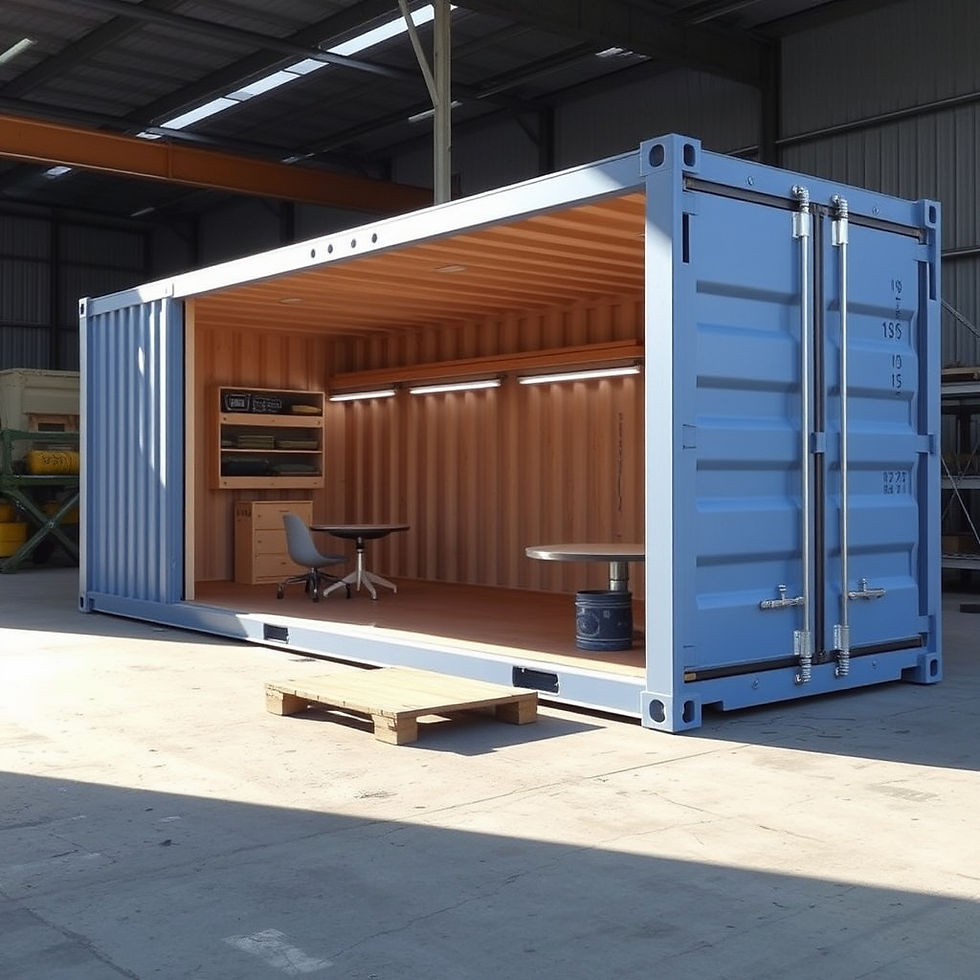
Fabrication refers to modifying containers to fit specific needs. This process can turn a simple box into a functional space or specialized equipment.
Common Fabrication Techniques
Cutting and Welding
Creating doors, windows, or openings for ventilation and access.
Insulation and Cladding
Adding thermal insulation and protective layers to regulate temperature and protect against weather.
Electrical and Plumbing Installation
Equipping containers with lighting, outlets, and plumbing for use as offices, workshops, or living spaces.
Reinforcement
Strengthening the container structure to support heavy equipment or withstand harsh environments.
Benefits of Fabrication
Customization
Tailor containers to exact specifications, improving usability.
Cost Savings
Fabricated containers can reduce the need for additional structures or equipment.
Mobility
Modified containers remain portable, allowing businesses to relocate easily.
Sustainability
Repurposing containers reduces waste and supports eco-friendly practices.
Practical Examples of Container Use
Construction Site Offices
Many construction companies convert containers into on-site offices. Fabrication includes installing windows, doors, insulation, and electrical wiring. This setup provides a secure, weatherproof workspace that can move with the project.
Retail and Pop-Up Shops
Containers can be transformed into mobile retail spaces. Fabrication might involve adding display windows, lighting, and shelving. These shops can be relocated based on customer traffic or events.
Storage Solutions
Businesses often use containers for secure storage. Fabrication can add shelving, ventilation, and security features like reinforced locks and alarms.
Emergency and Temporary Housing
Containers modified with insulation, plumbing, and electrical systems serve as quick-deploy housing units in disaster zones or remote locations.
Tips for Maximizing Efficiency
Plan Ahead
Define your needs clearly before purchasing or fabricating. This prevents costly changes later.
Work with Experienced Fabricators
Skilled professionals ensure modifications meet safety and quality standards.
Consider Future Needs
Design containers with flexibility to adapt to changing requirements.
Maintain Regularly
Proper upkeep extends container life and preserves functionality.
Evaluate Cost vs. Benefit
Sometimes investing more upfront in fabrication saves money over time by reducing operational challenges.


Comments